Waterproofing and Moisture Control in Lancaster

Basement waterproofing in Lancaster

We find where the water is arriving before anything is dug, run it to a sealed pit, and put the discharge ten feet out from the wall.

Getting a Lancaster basement dry and keeping it dry

You get a floor that stays dry through a wet March and air down there that no longer smells of it.

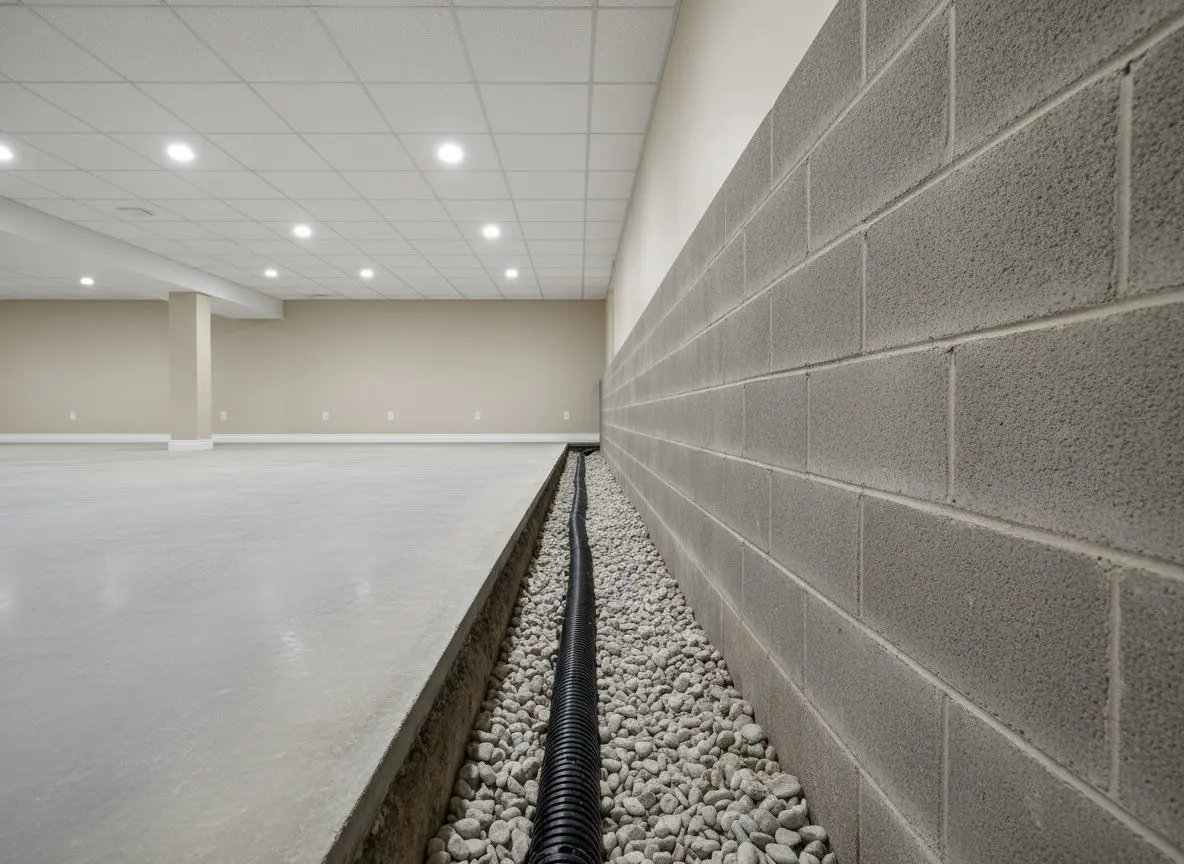
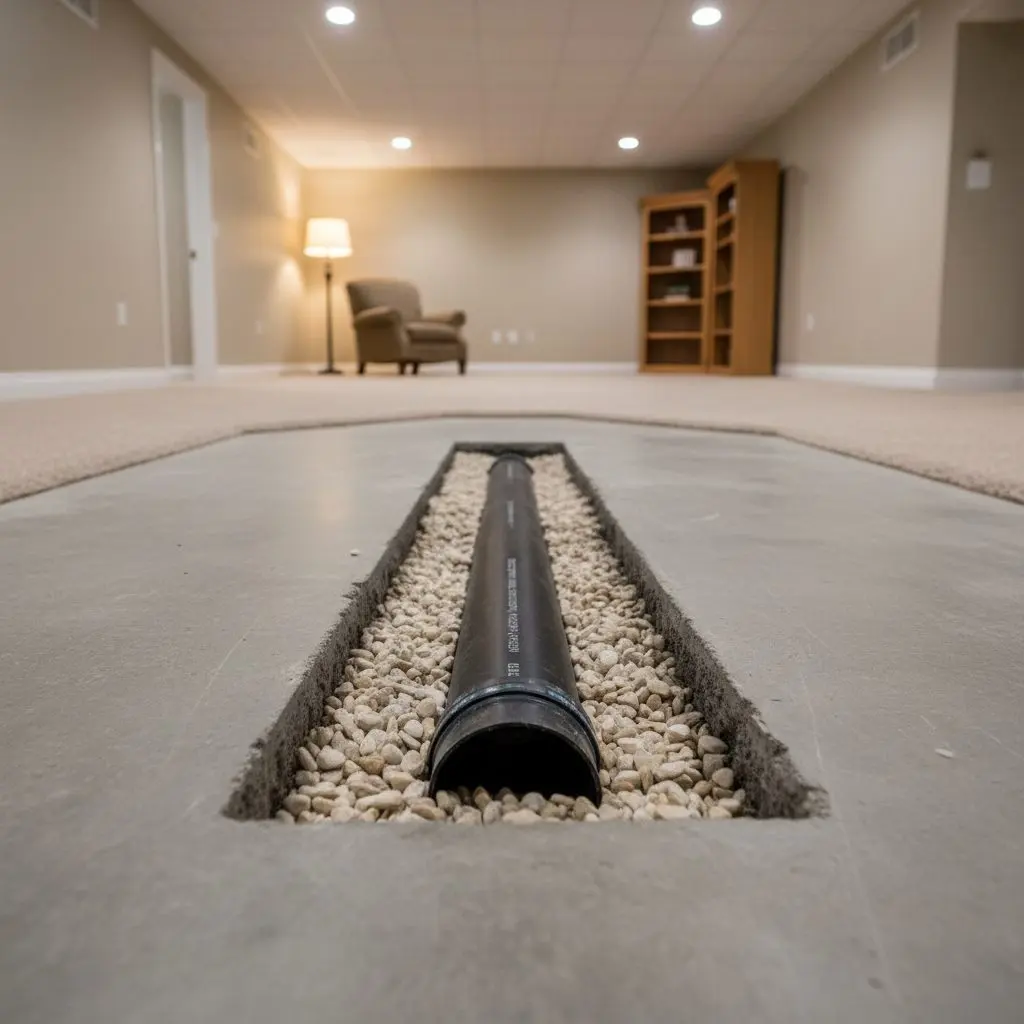
A close view of four-inch perforated black pipe bedded in washed stone in a narrow trench cut through a basement slab.

This is the water. Where it gets in, where it is sent, and how the air is kept dry once it has gone.

Cracked, bowing or leaning block is a structural problem rather than a water one and goes to an engineer. Radon is its own trade and its own contractor. Once the basement is dry, the framing and the finishing can start on top of it.

Around three hundred and ten drainage and sump jobs since 2009, a good half of them in houses that somebody had already finished once.

Interior drainage around a wet floor, sump pits and pumps with a battery behind them, and vapor barriers and dehumidifiers where the walls are dry but the air is not.

Pipe is four-inch perforated PVC bedded in washed stone at footer level, below the slab rather than sitting on it, running to a sealed twenty-four inch pit with a cast iron pump. Below the slab is the whole point, because a drain laid on top of the concrete never catches what comes up through it.

An owner who has mopped the same corner every March for years, and somebody buying a house here whose inspection report has water infiltration written on it.

Ask for a free damp check at (717) 555-0162. You will stop lifting boxes off the floor every time it rains and start using the room for what you wanted it for!

Every part of keeping a basement dry

The same crew cuts the trench, sets the pit and runs the barrier, so nobody is blaming another trade a year later.

  • Interior drain tile around the basement floor
  • Sump pits, pumps and battery backups
  • Vapor barriers over block and stone walls
  • Dehumidifiers plumbed into a drain
  • Sealing cracks and pipe penetrations
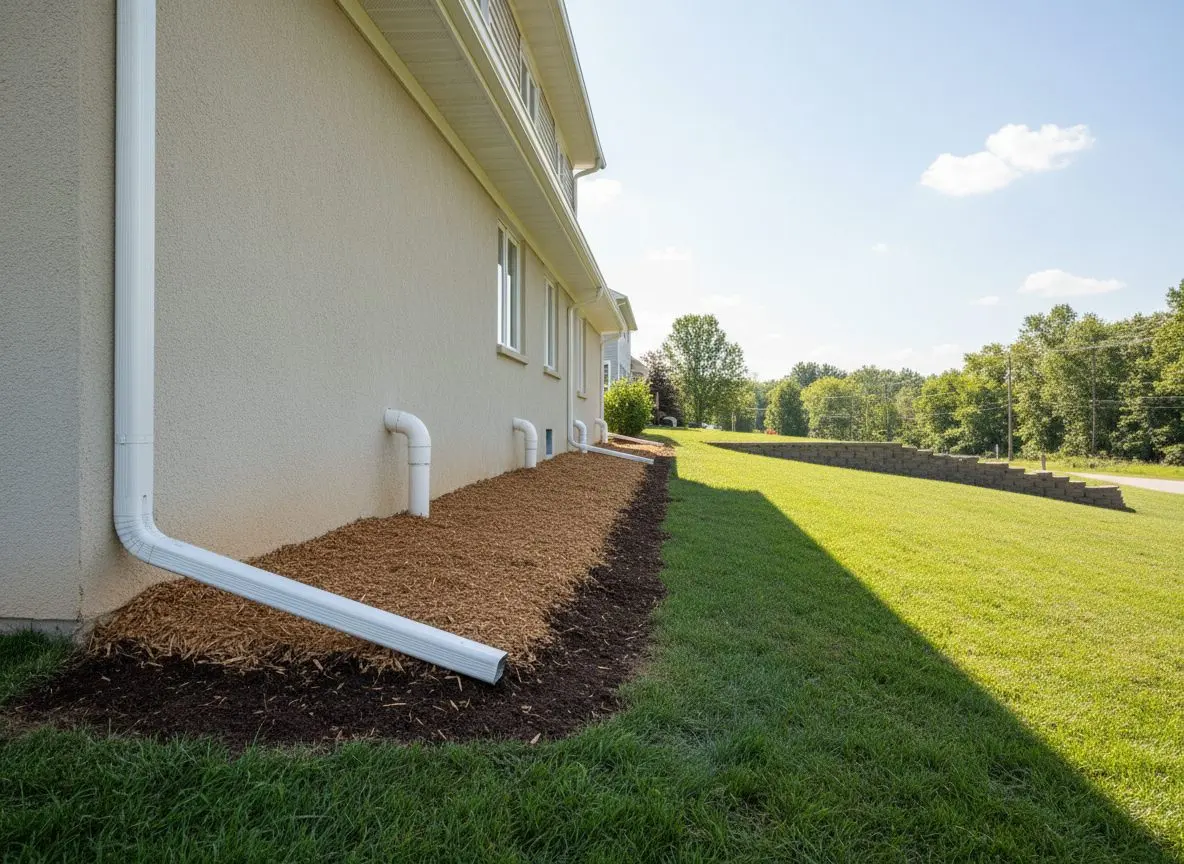
  • Downspouts and grading outside the house
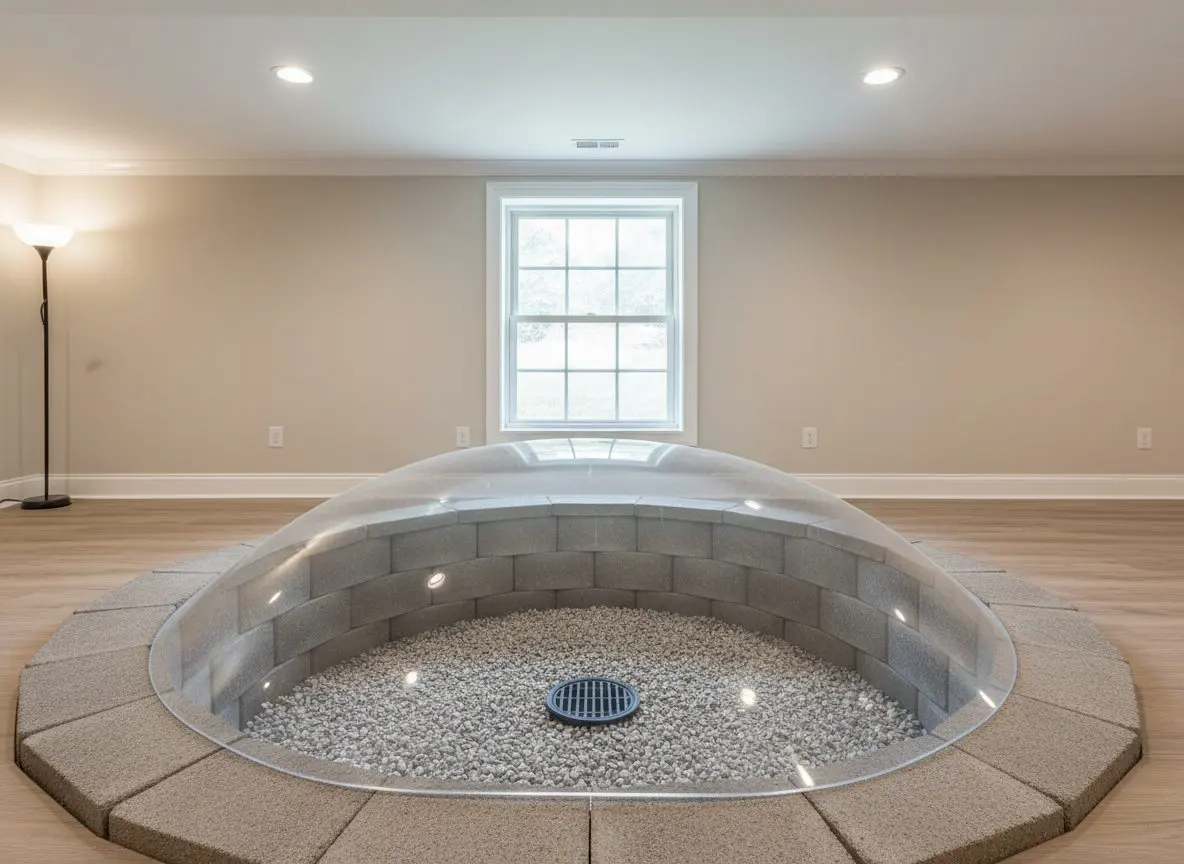
  • Window well drains and fitted covers
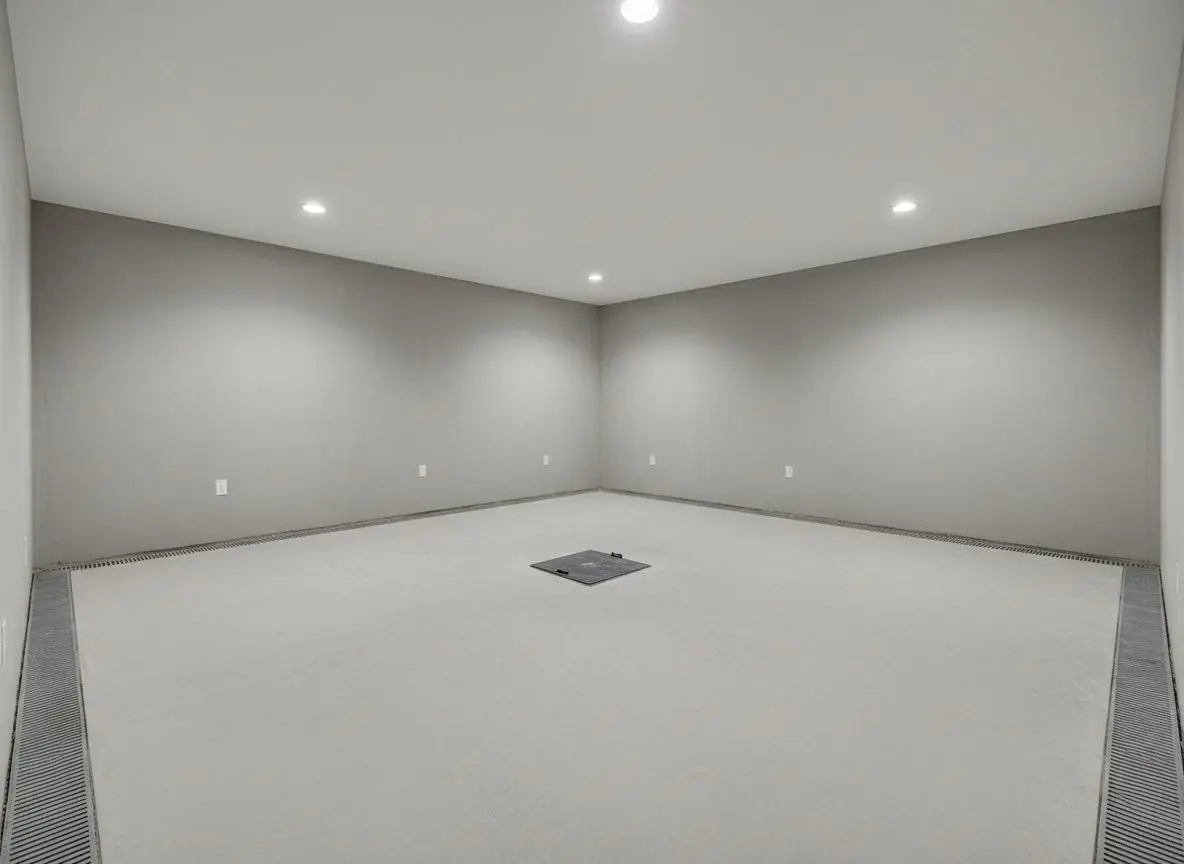
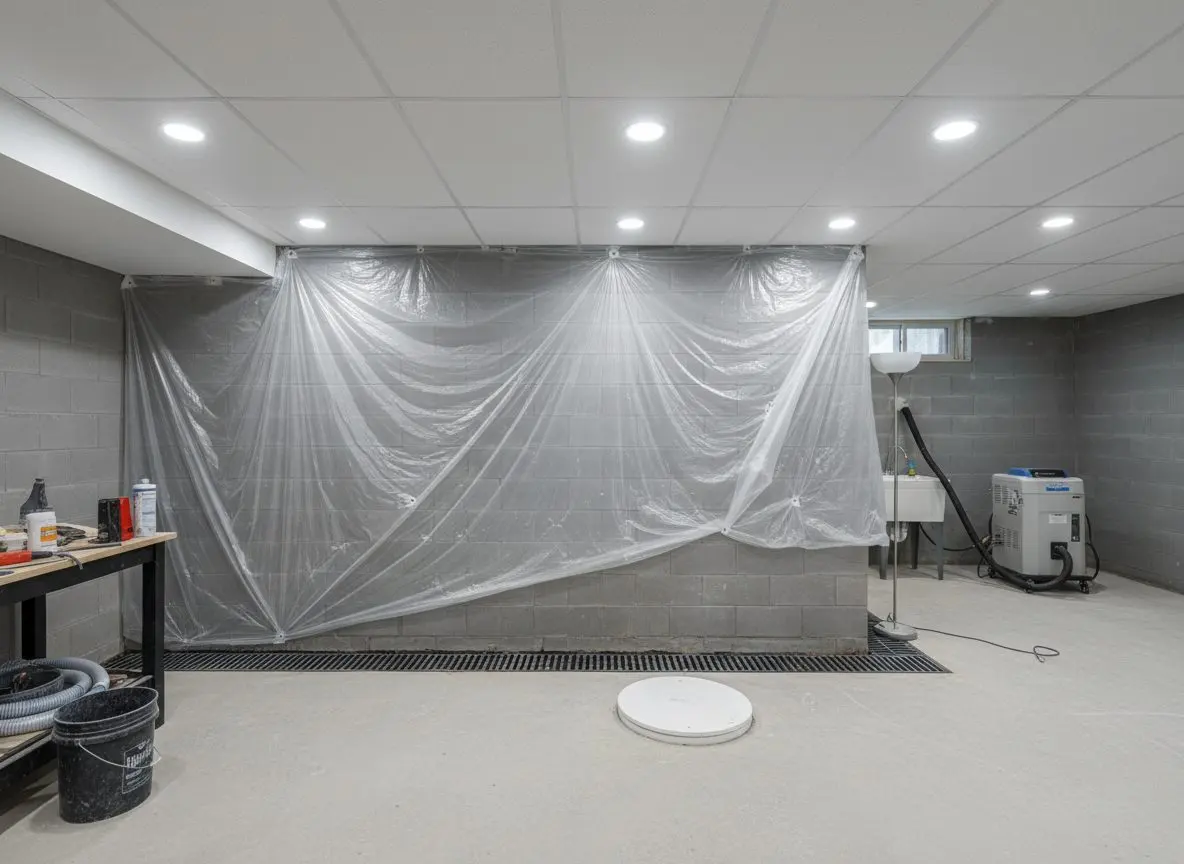
A basement wall with heavy clear plastic sheeting run down the block to a floor channel, and a white sealed sump lid in the slab nearby.

Services

The three ways a basement gets dried out

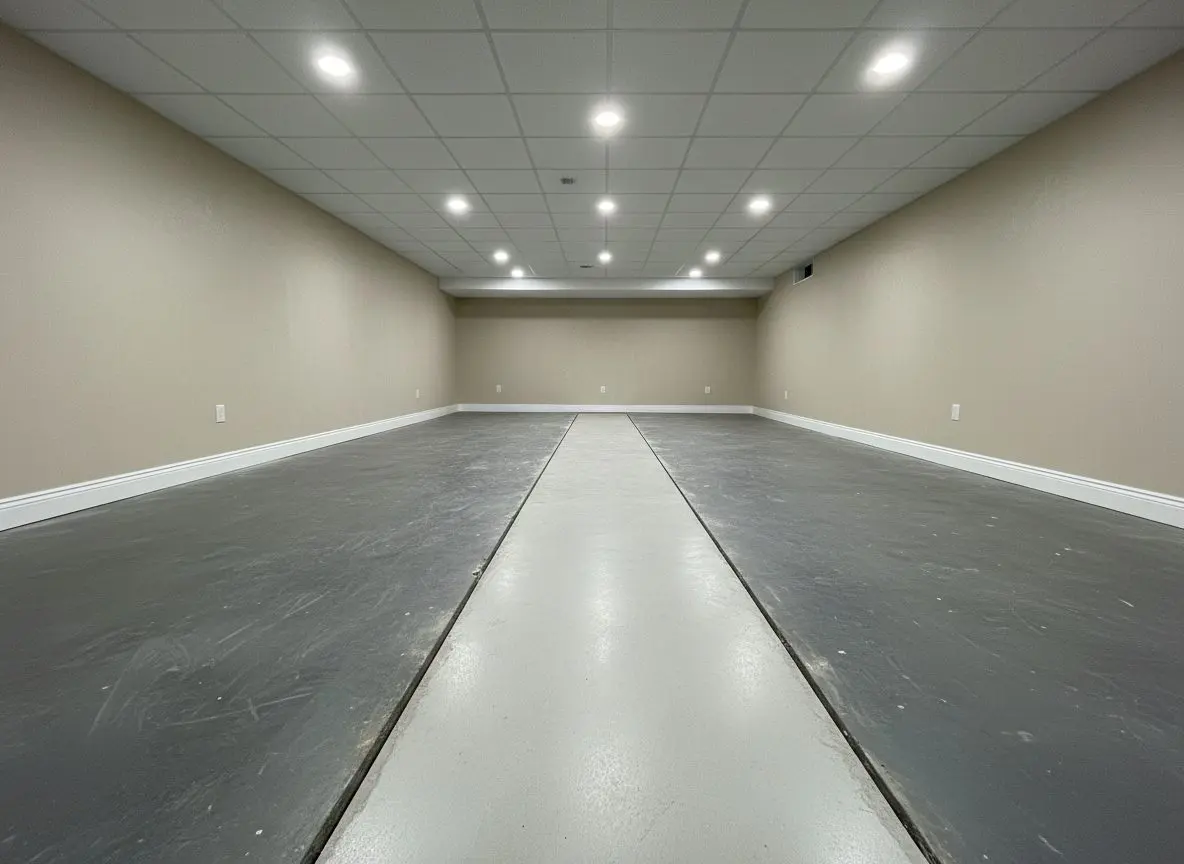
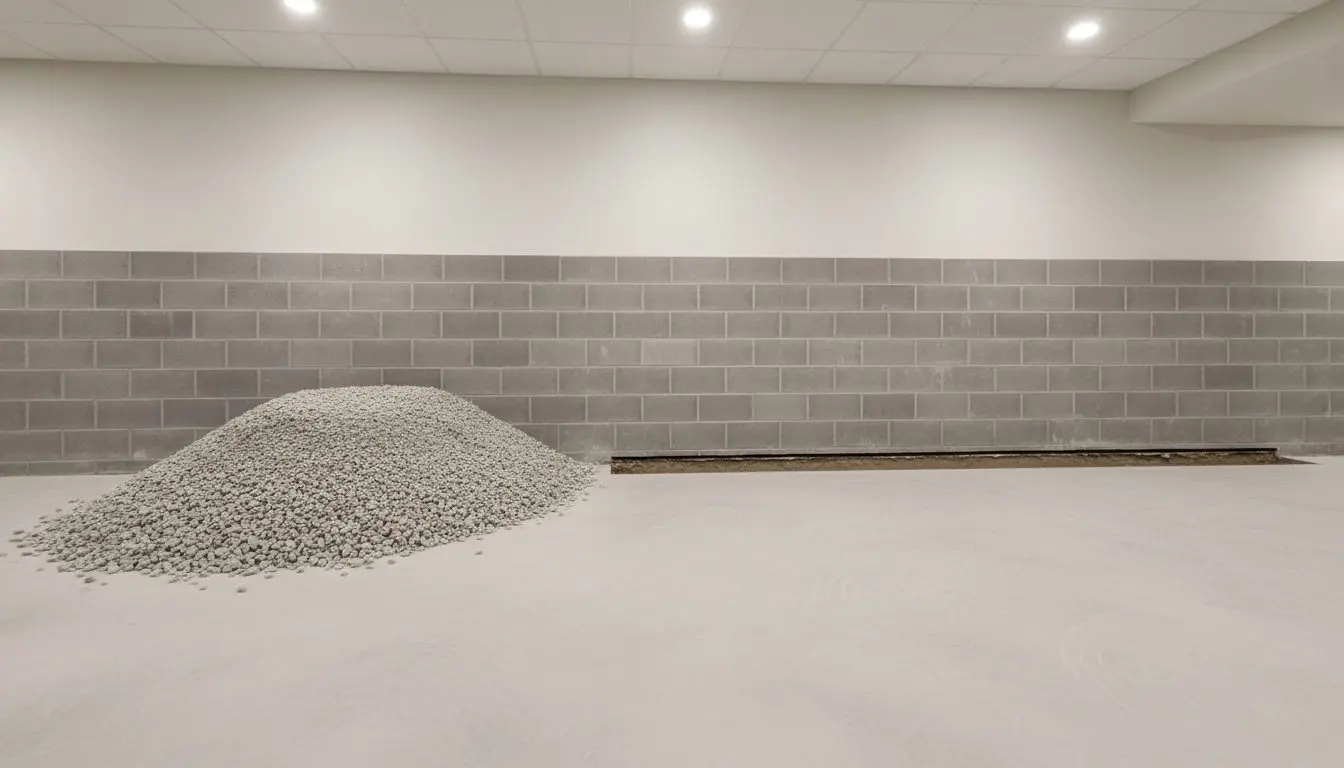
  • A straight saw cut opened along the foot of a gray block basement wall, the trench below it clean and empty down to the footer

    Basement Waterproofing

    For the house where water shows along the joint between the floor and the wall after a heavy week, and for anybody told to deal with the wet before a stud goes up. The trench is cut at footer level, because a channel sitting on top of concrete never catches what arrives from underneath it. Call and somebody works out where the water starts.
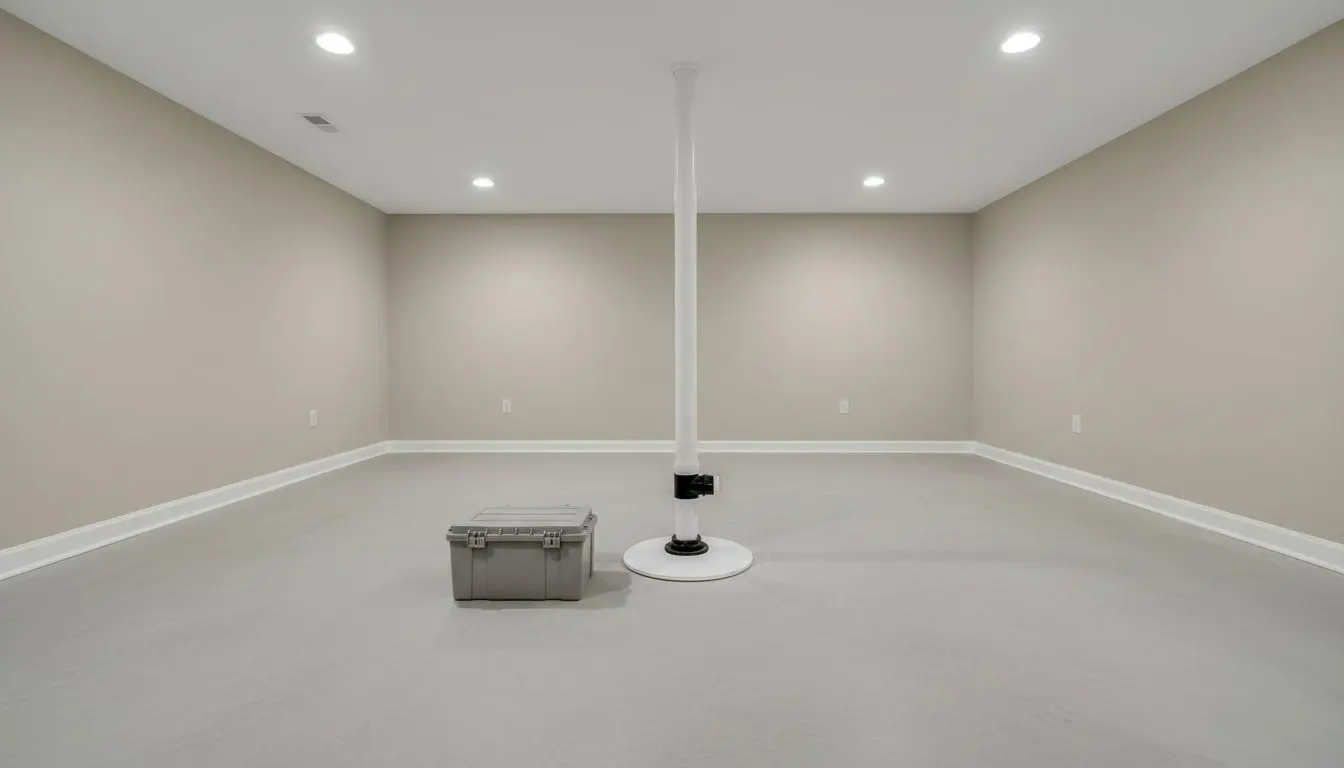
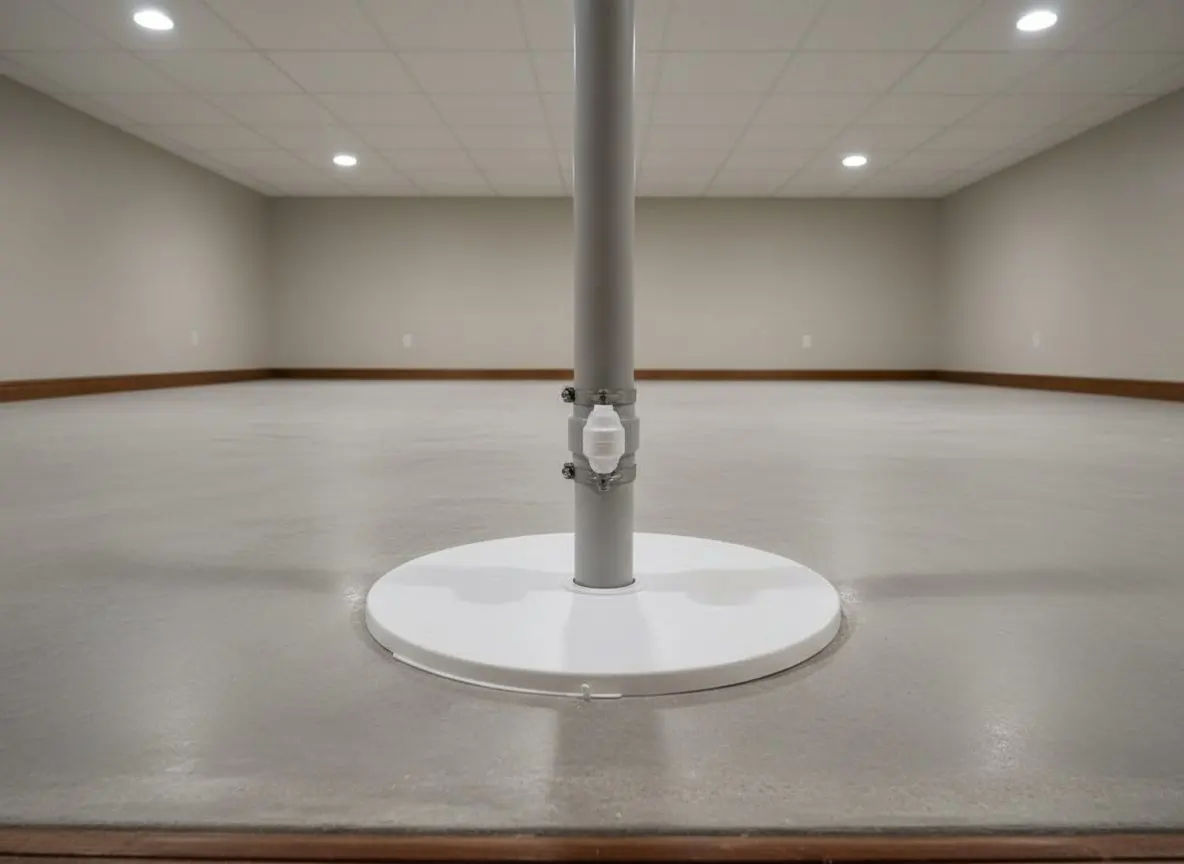
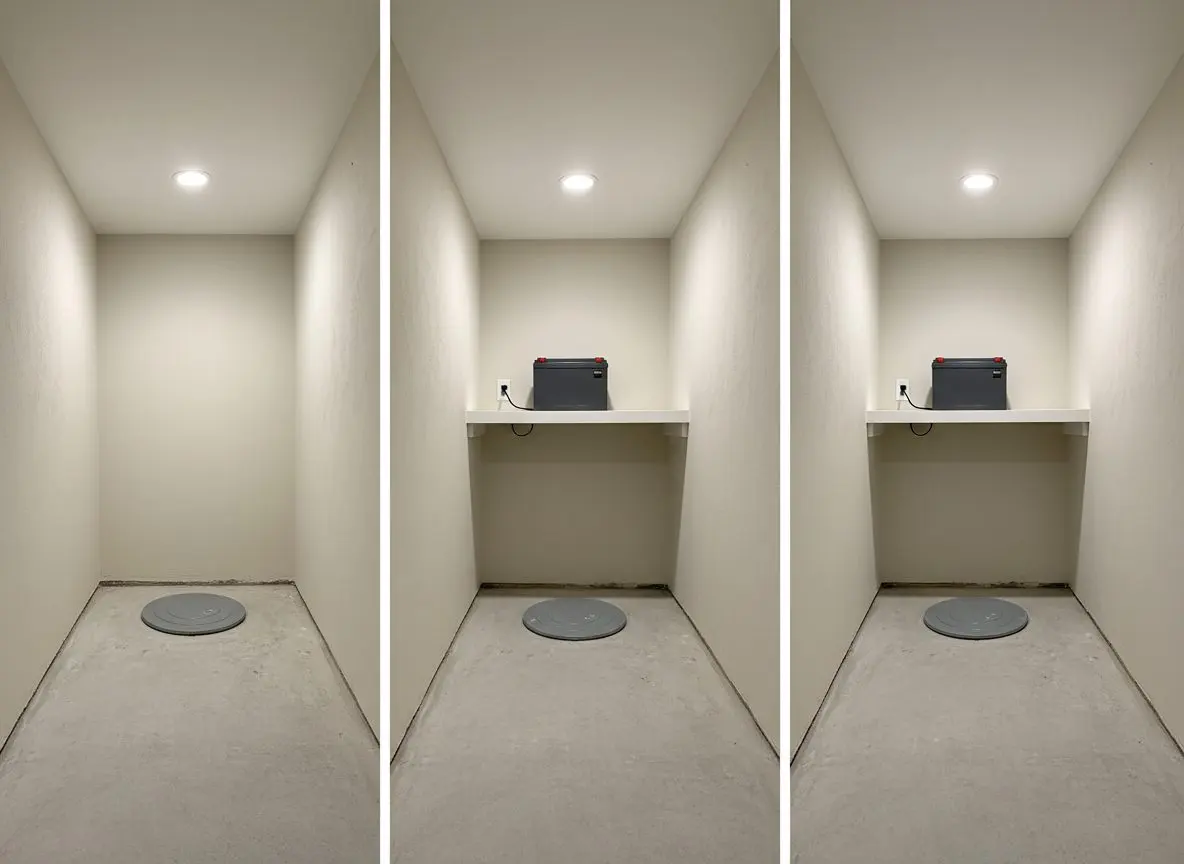
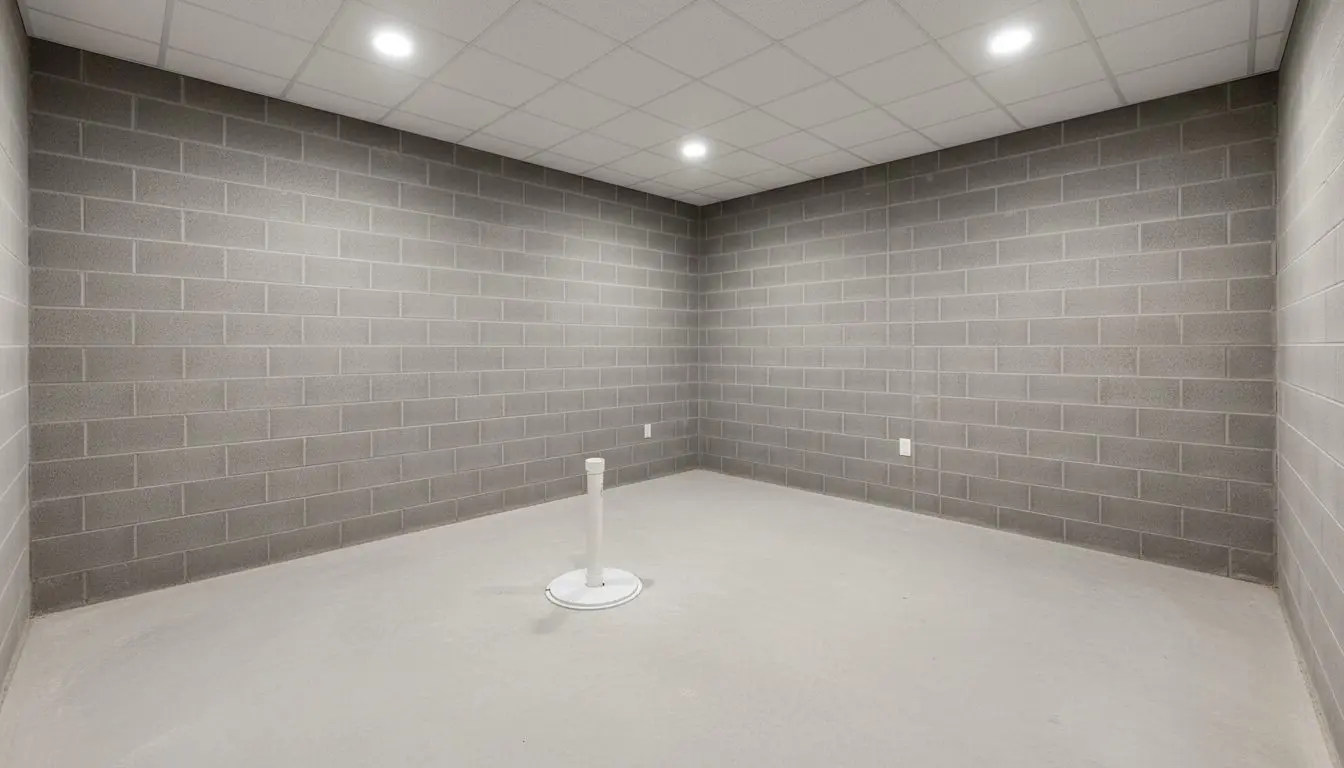
  • A white sealed sump lid set into a clean concrete basement floor toward the middle and right of the frame

    Sump Pumps and Drainage

    For the owner whose pump gave out in the storm that also took the power, and for the house with a pit in the floor nobody has lifted the lid on since it was bought. Cast iron rather than plastic, in a sealed basin, on a check valve and a union so a swap takes twenty minutes. Ring if you want a battery behind it before next March.

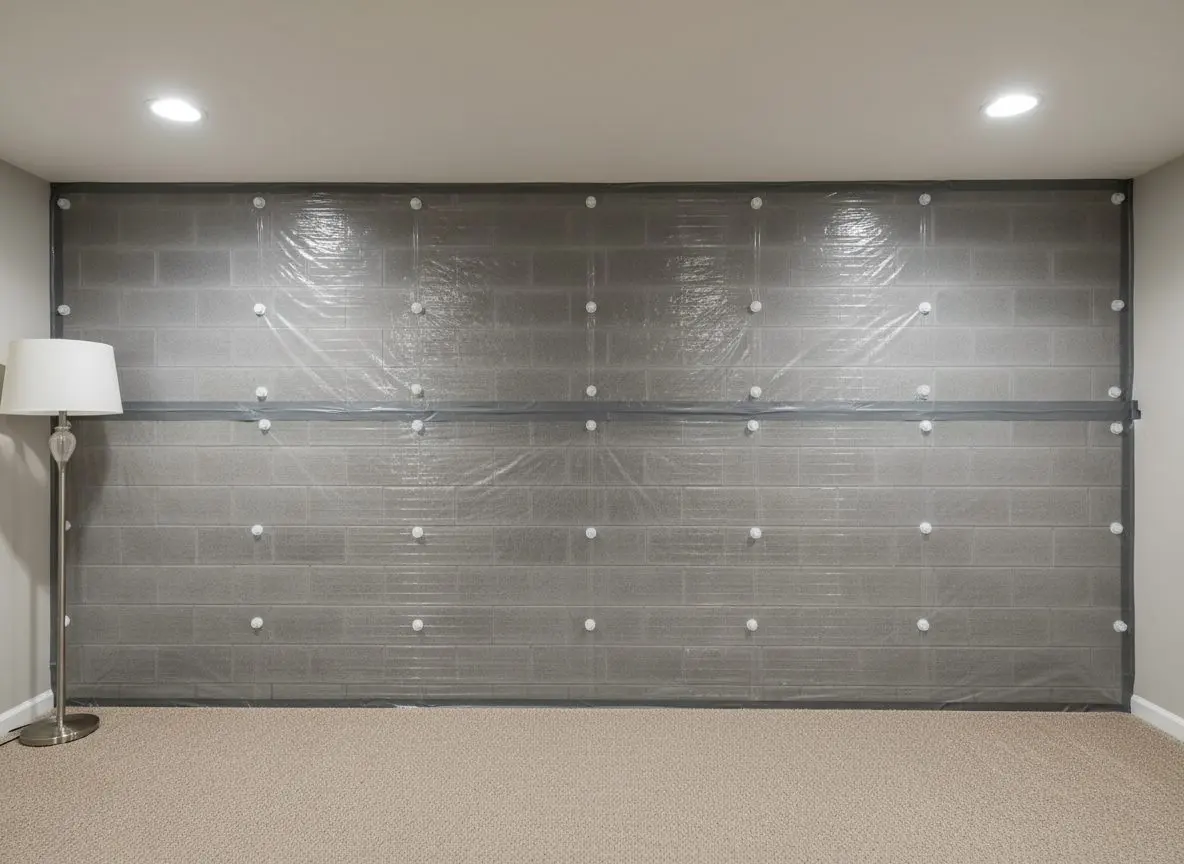
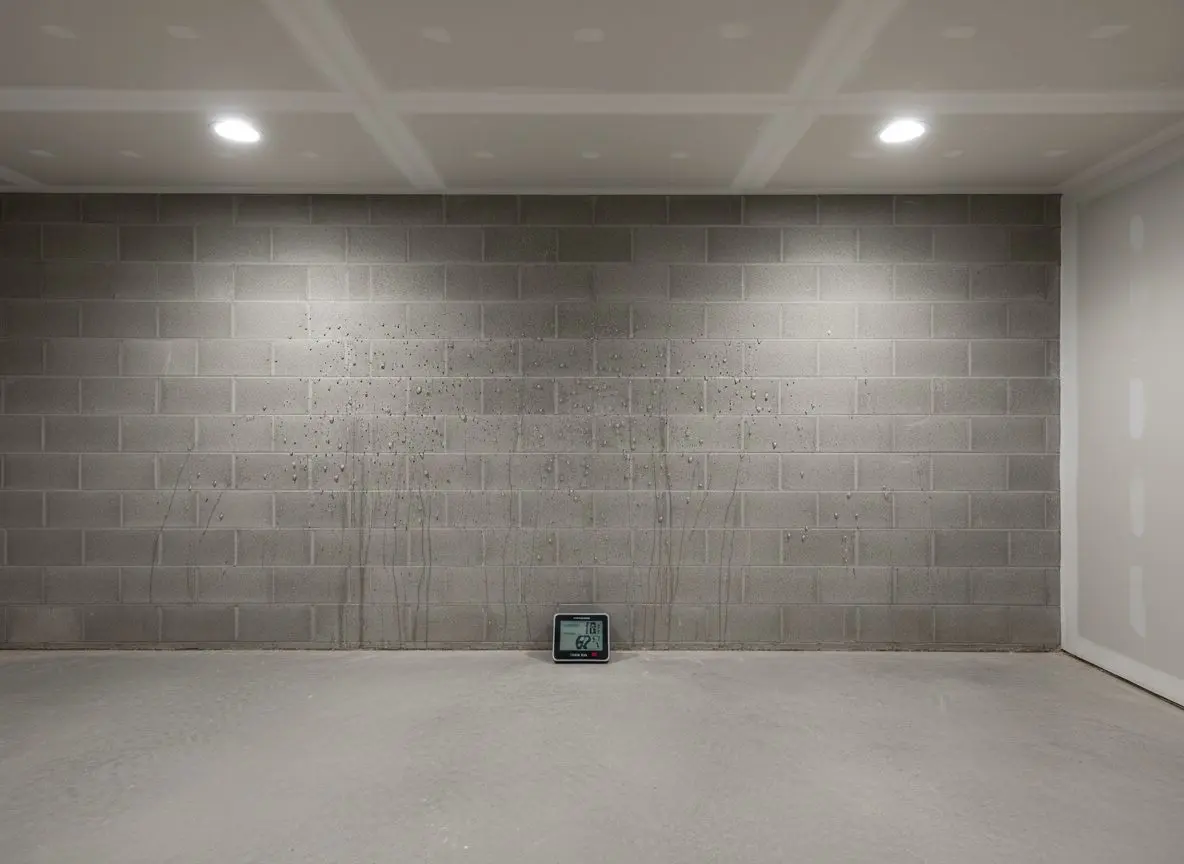
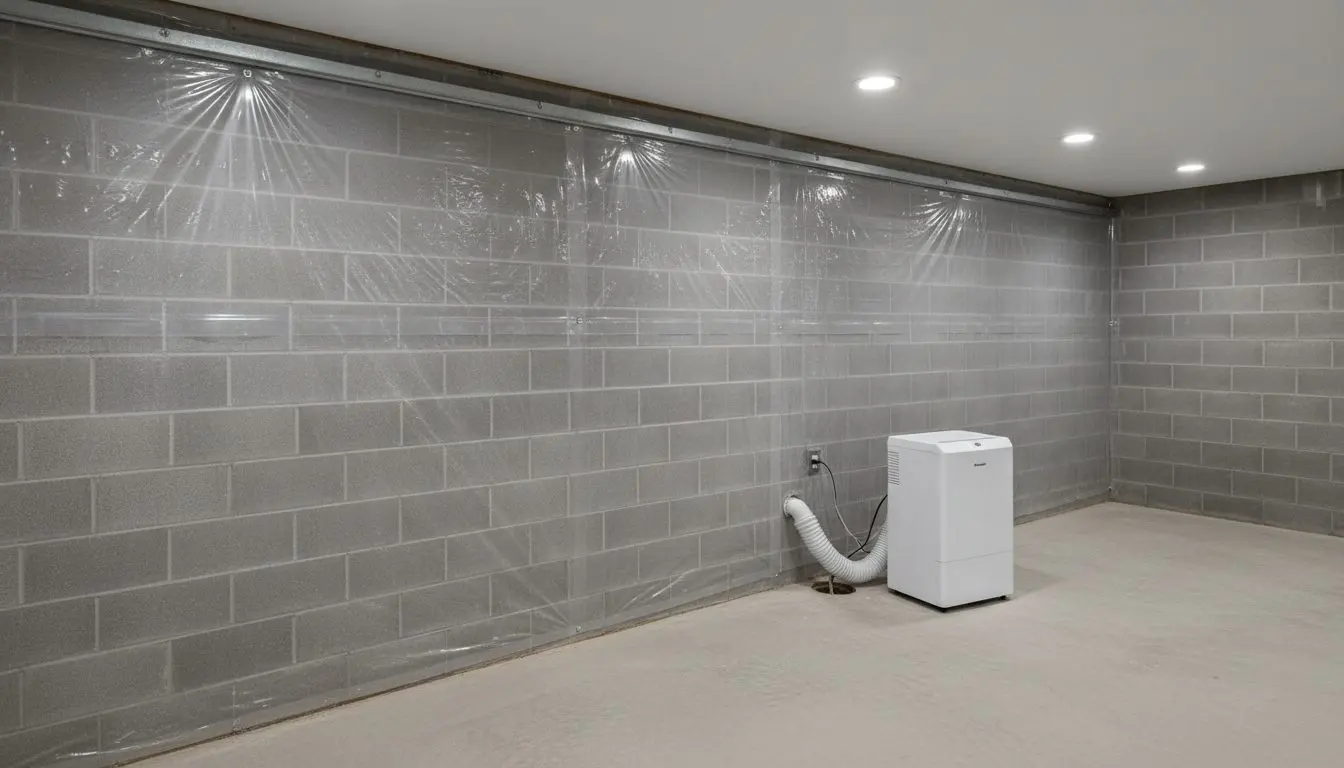
  • Heavy reinforced plastic sheeting run the full height of a gray block basement wall and fastened along the top course with a metal bar

    Vapor Barriers and Dehumidification

    For the basement with no leak in it anywhere that still sweats all July and can be smelled from the top of the stairs. Condensation rather than seepage, and no trench will touch it. Heavy poly up the block, lapped and taped, and a dehumidifier plumbed into a drain rather than a bucket somebody has to remember.

Interior drainage, or digging the outside out?

The dig is the one people expect and the one most basements do not need.

Interior is right when the water shows at the joint between the floor and the wall after rain, when the block is sound, and when what sits outside is a drive, a patio or a neighbor's wall. It is done from inside in about a week and nothing in the garden gets touched.

Outside is right when the wall itself is wet halfway up, when the coating on it has failed, or when a window well fills and holds water. Draining the inside of a wall that is soaking through does move the water, but it leaves the block wet, and wet block is what pushes a finish off later.

We say which it is on the visit and we put it in writing, including the times it is the cheaper one. A dig is three or four times the work of a trench inside, so an outfit that recommends one every time is not diagnosing anything.

A narrow trench cut through a basement slab along the foot of a block wall, with washed stone and black perforated pipe laid into it.

What you decide once the water is found

These are yours to pick. Each one moves the day count or what happens in a power cut, not whether the basement ends up dry.

One pump, or a pump and a battery
A single pump handles anything the grid stays up for. A backup adds a second pump, a sealed cell and a charger, and carries about eight hours on its own, which covers the storm that took the power out in the first place.
Sealed lid, or an open pit
A sealed lid with a gasket and a grommet for the discharge keeps damp air and anything that crawls out of the room. An open pit is cheaper to set and quicker to service, and it leaves a permanent source of humidity in the floor.
How much wall the barrier covers
Taking the barrier the full height of the block and up under the sill uses more sheet and more fixing than stopping at four feet. Full height is what deals with condensation at the top of the wall, which is where it usually shows first.
Where the dehumidifier drains to
A unit plumbed to the pit or a floor drain runs on its own and you forget it exists. One left on its own bucket is cheaper on the day and stops working the first week nobody is home, which is usually the week it rains.
How the discharge line is finished
A pipe run across the ground is half a day and a trip hazard you will mow around for years. Buried below frost with a pop-up on the end is another day of digging and then never gets thought about again.
Whether the outside is done too
Extending downspouts and regrading the first ten feet is half a day and takes a surprising amount of water off the wall before it ever reaches the drain. Skipping it means the system inside works harder every storm.

The water is taken somewhere, not painted over

Four-inch perforated pipe in washed stone, a sealed pit with a cast iron pump, and fifteen-mil poly up the block.

The trench is cut through the slab down at the footer rather than against the top of it, because water arriving underneath a floor cannot be caught by anything sitting on that floor.

Four-inch perforated PVC goes in on washed stone, sleeved where the soil is fine, and falls to a twenty-four inch basin with a gasketed lid on it.

The pump is cast iron rather than plastic, on a check valve and an inch and a half discharge, and the line leaves the house and runs ten feet out before it lets go. Walls take fifteen-mil reinforced poly, lapped, taped and mechanically fastened to the top of the block. The dehumidifier goes to a drain, never a bucket.

A close view of a sealed white sump lid set in a concrete basement floor, with a discharge pipe and a check valve rising out of it.
Heavy reinforced plastic sheeting fastened up a gray block basement wall, lapped and taped along the joint between two sheets.
  • Four-inch perforated pipe in washed stone
  • Trench cut at the footer, below slab level
  • Cast iron pump in a sealed twenty-four inch pit
  • Check valve and an inch and a half discharge
  • Fifteen-mil reinforced poly, taped at every lap
  • Discharge run ten feet out from the wall

Call and somebody comes out, reads the walls and the floor with a meter, and tells you where the water is arriving, at no charge.

(717) 555-0162

What makes one drainage job twice the price of another?

Two wet basements can quote a long way apart. The gap is almost always how much concrete has to come up and how far the water then has to be carried.

How many feet of wall are wet
One corner is a short trench and a day on site. A full perimeter means the slab comes up the whole way round, which is more saw cutting, more spoil carried out by hand and more concrete going back in.
What is standing against the walls
Shelving, a workbench and a freezer get moved and put back by us. An oil tank or a furnace sitting on the wall we need to reach means a trade in to disconnect it and another visit to set it going again.
Where the discharge can end up
A lot with a slope on it takes a buried line to a pop-up in a day. A flat city plot with no yard means a longer run to a curb or a dry well, and permission from whoever owns what it crosses.
How thick the slab turns out to be
Four inches of concrete cuts and lifts in a morning. Six or eight inches, or an old slab poured over an earlier one, doubles the saw time and the number of buckets going up the stairs.
Whether the outside is part of it
Extending downspouts and regrading is half a day. Excavating a wall, taking the old coating off it and re-membraning is machinery, spoil and a week, and it earns its place only when the wall itself is wet.
How the water is getting in
Seepage at the floor joint is a drain. Condensation on the block is foam and a dehumidifier and no digging at all. Working out which one you have is what the visit is for, and the two jobs are nothing alike.

The trench length gets measured on the day rather than guessed at from outside, and nothing is booked until you are holding it in writing. Get a free quote

From your first call to a signed-off room

Six to ten weeks end to end on a whole basement, and the loud, dusty part of it is over in the first two.

  1. You call and we come out

    Same day callback

    You ring, somebody calls back the same day, and we come and look. No charge for that. We measure, check the walls and floor for damp, and hear what you want down there.

  2. A plan and a written quote

    Three to five days

    We draw the basement to scale with the rooms where you want them, then price the work line by line. The drawing and the quote are yours, and nothing is booked until you say so.

  3. Permits and a start date

    Two to four weeks

    We file the drawings with Lancaster or your township and book the dates in writing. The wait is the permit office rather than us, so we tell you what it is running at.

  4. The water comes first

    Two to four days

    Before a stud goes up we deal with the wet. Drainage, a sump pit, a vapor barrier against the block and a dehumidifier run to a drain. Finish over damp and it comes back.

  5. Framing, board and finish

    Three to five weeks

    Studs held off the block, insulation behind them, then wiring and plumbing roughed in and inspected before anything closes up. Board, tape, floor, ceiling and lights follow.

  6. Signed off and swept out

    One day

    We stand with the inspector for the final visit. Then the tools go, the offcuts leave on the truck, the floor is swept, and the paperwork and the drawing are handed to you.

Ring (717) 555-0162 and somebody calls you back the same day to book a free look at the basement.

Get a free quote

What a dry basement is worth when you come to sell

A wet basement is a question on the disclosure form long before it is a smell.

No published report puts a resale figure on basement waterproofing, and we are not going to reach for a loosely related one. Remodeling studies price kitchens, baths and decks, and nothing in any of them covers a drain under a slab.

What does exist here is the paperwork. Pennsylvania's seller disclosure law makes a seller state, in writing, whether the property has had water leakage or dampness in the basement and whether anything was done about it. That answer follows the house.

A dated invoice for an interior drain and a pump turns a yes into a yes with an explanation, and no paperwork at all turns the same yes into a deduction the buyer's agent gets to invent.

A dry, finished basement room with a plank floor and painted walls, furnished and in use, with nothing stored up off the ground.

Why Lancaster basements get wet when it has not rained

Limestone puts water up through the slab rather than in at the wall, the older city lots have nowhere to send a discharge, and the worst week is the March thaw.

The water comes up, not just in
The county sits on limestone, so groundwater travels through fissures and arrives under the slab rather than soaking in at the wall. Coating the block does nothing about that, so the trench goes below the floor and not against the face of it.
City lots have nowhere to discharge to
A rowhouse with eight feet of yard and a neighbor's wall on either side cannot take a pipe running ten feet out. The line goes to the curb, a dry well or a storm connection, and which of those is possible is settled before the pit is even set.
The March thaw is the real test
The wettest week here is not a summer storm, it is frozen ground shedding snowmelt in late winter with nowhere for it to soak away. A basement dry all August tells you nothing, so we ask what happens in March rather than what happened last week.

Wet basements we have dried out around Lancaster

Six drainage and moisture jobs, each with the town it is in and where the water turned out to be arriving from.

What owners said after the basement stopped leaking

  • Rated 5 out of 5

    Smelled damp down there every summer we owned the place. They drained the floor before a stud went up, then framed and finished it. Third July down there and no smell.
    Ross K. New Holland Full Basement Finishing
  • Rated 5 out of 5

    Stone foundation, 1880s farmhouse, and the township sat on the permit two weeks longer than anyone wanted. Curt called every Friday of that wait anyway. The bar and the family room were done by August.
    Brett L. Elizabethtown Basement Bathrooms and Bars
  • Rated 5 out of 5

    My mother moved in with us in the spring, so the basement had to be an apartment by then. The stair was the part I never thought about. She has her own door at the top now and comes and goes without us.
    Joanne M. Leola Apartments and In-Law Suites

Ask us for the address of a job like yours when we visit, and go and look at it in the rain.

Get a free quote

FAQs

Frequently asked questions

Questions about wet basements in Lancaster

Will an interior drain stop water coming through the wall?

It stops it reaching the floor, which is the part you actually see. Water arriving through the block still runs down the inside face of it into the channel and away, so the room stays dry. What it does not do is dry the block itself, and where that matters we say so and price the outside.

Is a sump pump on its own enough?

Only if there is already something feeding it. A pump sitting in a pit with no pipe running to it can take away water that finds its own way there, which is usually the wettest corner and nowhere else. The pit is the end of a drainage system rather than the system itself.

How often does a pump need replacing?

Plan on seven to ten years for a cast iron pump on ordinary duty, and less where it runs every day. The float switch normally goes before the motor does. We fit a union above the check valve so a swap is twenty minutes with a wrench rather than a call-out and half a day.

Do you have to dig up the garden?

Not for an interior drain. All of it happens inside, the spoil goes out through the house, and nothing outdoors is touched except downspout extensions. Digging the outside out is a different job and we only put it forward when the wall itself is wet rather than the floor.

What happens in a power cut?

With a single pump, nothing happens, and the storm that knocks the power out tends to be the storm that fills the pit. A backup is a second pump on a sealed battery carrying about eight hours of ordinary duty, and it is the cheapest part of the whole system to add at the start.

The block has white powder on it. Is that a problem?

That is efflorescence, salt left behind as water passes through the block and evaporates off the face. The powder is harmless and the water it proves is not. We brush it off, note where it was, and use the pattern to work out which part of the wall is passing water and how high it gets.

Can you fix a crack in a poured wall?

A hairline crack that weeps gets injected with polyurethane from the inside, which fills the full thickness of the wall and stays flexible. A crack wider than a pencil, one with a step in it, or one that has moved since you first noticed it is an engineer's call and we will not inject it.

Where does the water actually end up?

Out of the house and at least ten feet away from the wall, either onto a slope or into a buried line with a pop-up on the end of it. It never goes into the sanitary sewer, which is not allowed here, and it never stops two feet from the foundation where it simply walks back in.

Do we still need a dehumidifier if it is drained?

Usually yes, right through the summer. A drain deals with liquid water and does nothing at all about humid air coming down an open stair in July. Fifty percent relative humidity is the target, and a unit plumbed into the pit holds it there without anybody having to empty anything.

How long does the trench work take?

A single wall is two days. A full perimeter in an average house is four to five, with the saw cutting done on the first day and the concrete back in on the last one. It then wants a couple of days to cure before anything gets stood on it or stacked against the wall.

Can you do this if the basement is already finished?

Yes, and it is about a third of the work we do. The bottom two feet of the finish comes off the wall we are trenching, the drain goes in behind it, and it is put back and painted. Where the finish is sitting on wet block we say what will happen to it before touching anything.

How do we know it actually worked?

March, and the first heavy week after it. We leave a moisture meter reading for the walls at handover so there is a number to measure against later, and the pit has a lid you can lift to see whether the pump is cycling. If it is still wet, ring us and somebody comes back out.

Lancaster Basement Pros

We have worked on Lancaster basements since 2009 and we call back the same day.

Lancaster Basement Pros finishes basements in Lancaster, Lititz, Ephrata and the townships around them. Drainage, a sump and a vapor barrier first, then framing, board, floor, ceiling and lighting. Bathrooms, wet bars, egress windows and in-law suites too. Foundation repair and radon work go to the trades licensed for those.

Why call a basement crew and not a general builder?

  • Seventeen years of basements in Lancaster and the county around it
  • A free visit and a written quote before anything is booked
  • Steel studs held off the block, so nothing wicks into the framing
  • The water is dealt with before a single stud goes up
  • We file the permits and we stand with the inspector

Whether the basement is dry and empty or wet and full of boxes, the next move is the same. Call (717) 555-0162 and somebody rings you back the same day to arrange a look at it. You get a scale layout and a written price out of that visit, and no obligation to do anything with either.

(717) 555-0162

Give us a call

342 N Queen St, Ste 2, Lancaster, PA, 17603

Where to find us

Book a basement visit

(717) 555-0162 Get a free quote